

Phantom Cries
- Melanie

- Dec 4, 2018
- 5 min read
It's not easy having a baby who hates being a baby.

I had the gift and privilege this past weekend of attending a silent retreat- something I never thought I would ever want to do. I had booked it months in advance, in the middle of my daughter's horrible pterodactyl phase that I feared might never end. The thought of a weekend of silence got me through so many days of endless noise- an impressive array of negative sounds, all at extreme volumes and all with the same relentless vigor. I craved silence so much that, upon arriving at the retreat and seeing how full the schedule was of talks and presentations, I instantly decided to ditch the rest of the group and go it alone. I attended mass (with no baby wildly thrashing in my arms!) but other than that I was on my own and in silence. It was wonderful.
At the end of the first evening I cuddled up in bed with my book, excited for the first full night of sleep since she was born... Only to wake up three times that night, thinking I heard my baby's cries! The same happened the next night, with the added bonus of a dream in which she was crying endlessly but I couldn't find her and couldn't make the crying stop. So much for a restful night's sleep.
I shouldn't have been surprised- both my husband and I have been hearing phantom cries for months. We hear crying when she is fast asleep or playing happily or even when she is not in the house at all. Apparently this is fairly common in parents whose children had colic. Colic is thought to be a developmental phase, more recently named the Period of PURPLE, and is often defined as three hours or more of crying, three days or more a week, ending at three or four months post due date. Josephine did cry this much, though I think I was in denial that she had colic at the time. This saved me from huge disappointment, since three months came and went and the sounds instead became more intense.
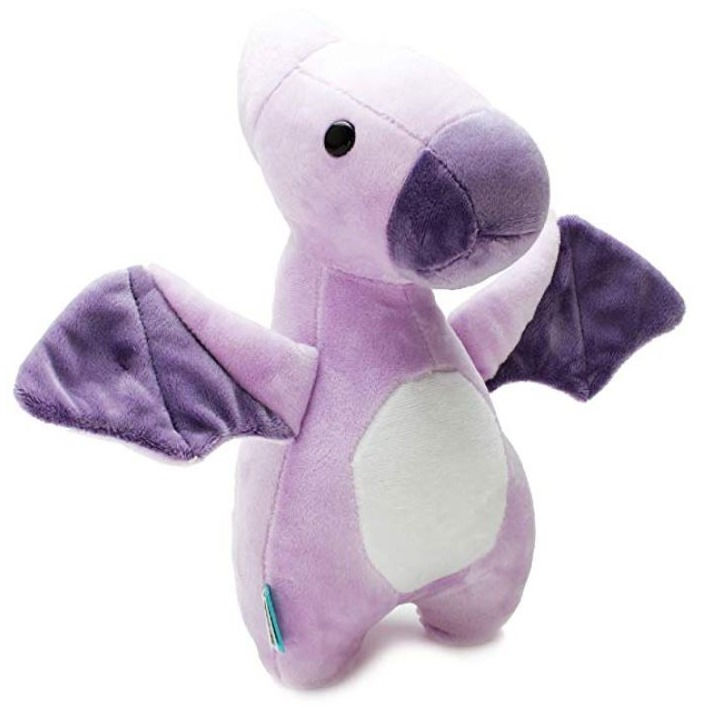
Over time, her crying and fussing changed but it didn't stop. It was approximately three months of crying, followed by three months of whining, followed again by three months of screeching. All nine months had plenty of outright screaming. You cannot imagine the horrible, ear piercing, brain stabbing, heart stopping and soul rending screams. My poor baby took my full attention every waking minute (of which there were far too many) just to keep her calm- let alone happy.
When your baby is this unhappy, postpartum depression seems to be inevitable. I don't believe that any single person can withstand such high levels of psychological torture (and I assure you, it is torture) and still be happy and healthy. According to Dr. Harvey Karp, Navy SEALs are exposed to the sound of a baby crying in preparation to withstand torture. My baby could be that baby. When your baby is this unhappy, your capacity for happiness becomes severely limited.
My lovely and supportive friends and family members, who have put up with quite a lot by continuing to let us come around, have an entertaining list of euphemisms to describe her tireless intensity:
- "She definitely knows what she wants."
- "What a great self-advocate!"
- "In every way, she is just more."
The fact of the matter is that my baby hates being a baby. Before gaining mobility, she would watch other kids crawling and toddling about and would scream in anger and frustration. When she was sitting independently but not yet crawling, she would throw her toy and then rage that she was unable to retrieve it. Only now at ten months old is she learning to enjoy life outside the womb, and I am convinced it is because she is transforming prematurely into a toddler! The same day she started crawling, she was pulling to stand and attempting to walk all on her own.
We were warned that Josephine was a high intensity baby, but somehow it didn't register. In the NICU for the first few days after her birth, multiple nurses remarked on her intensity and in veiled comments warned us of the storm ahead:
- "She is quite the little spark plug!"
- "Well she definitely has her own opinions."
- "I think you have a feisty one on your hands."
Maybe it was the haze of shock and sleep deprivation, but we paid no heed to the comments at the time. They haunted me when, months later, it dawned on me that other babies her age were not nearly so high needs. I was at a play date where three other moms with babies her age (and toddlers in tow!) sat around a table drinking coffee and chatting happily while I stood in the corner keeping Josephine calm with wild swinging and tossing. In the opposite corner, three little babies were cooing and batting quietly at the toys hanging above their heads.
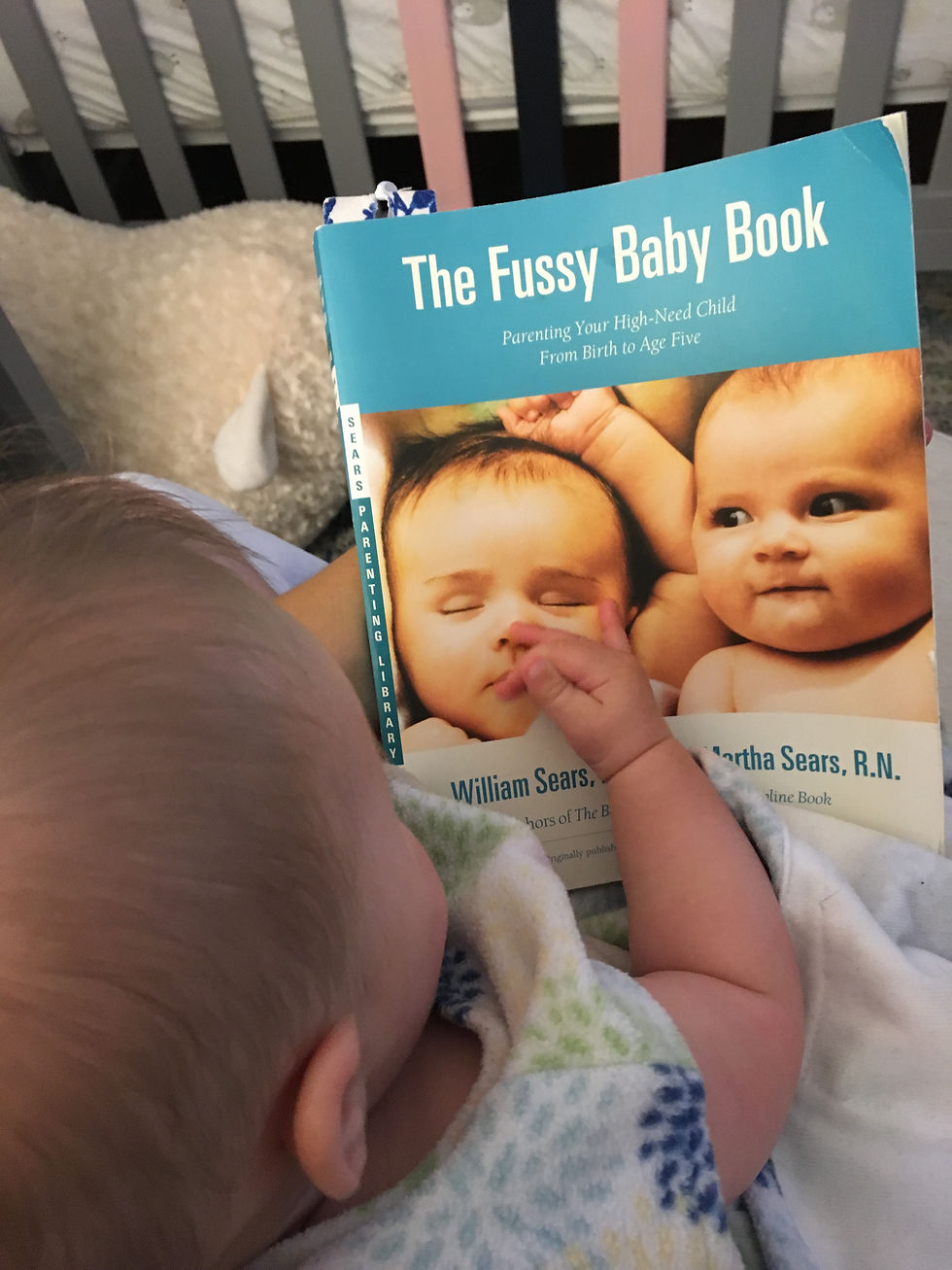
I learned that there is a term for babies like her- she is a "high needs baby". The term was coined by attachment parenting authors William and Martha Sears, authors of The Fussy Baby Book. I found this book to be utterly useless. I am not convinced that they did in fact have a high needs baby since their advice included things like taking your baby for long baby wearing walks (in which I got stranded far from home with an inconsolable baby), co-sleep during their naps (she had none at the time) and avoid burnout but never take time away from your child. I threw the book away in disgust.
Much more useful have been the Fussy Baby Site, its related support group on Facebook, and anything else written by Holly Klaassen. I have found the vast majority of parenting resources to be judgmental and inflexible, but not so with Holly Klaassen. She points out that easier babies will tend to take to whatever parenting style their parents adhere to, and then their contented state is attributed to said parenting style. More difficult babies however require throwing out parenting philosophies and their useless, judgmental books. High needs babies demand flexibility. You have to learn what works for your particular child and keep attempting different approaches for the various challenges you encounter.

Accepting the child that God gives you, just the way they are and not the way you expected them to be, is much easier said than done. Thankfully, Josephine's recent mobility and corresponding surge in happiness is making it much easier. She is a feisty little spark plug, but she is smart, perceptive and wonderfully interactive. Her ability to fill the room with her emotions is a wonderful thing when those emotions are joy and ecstasy. Though she seems to feel everything more strongly than the average person (something I have no doubt she acquired from me), I think in the long run it will help her to become a loving and empathetic adult. It's not easy having a baby who hates being a baby, but the bittersweet truth is that they don't stay babies for very long. She is growing up fast and blossoming into the most fun and hilariously funny kid I have ever met.


Comments